Guide
Things to do in Amsterdam: Dam, canals, museums and Noord
Things to do in Amsterdam by area: Dam Square, canals, Jordaan, Museumplein, De Pijp, Noord and day trips. Prices and hours from official sources.
In short
Amsterdam is compact and works best in blocks. Dam Square and the Oude Zijde fit into a morning on foot; the canal ring and the Jordaan need another day; the Museumplein takes half a day per museum. Noord, across the IJ, is reached by a free ferry. The region adds windmills, fishing villages and, in spring, Keukenhof.
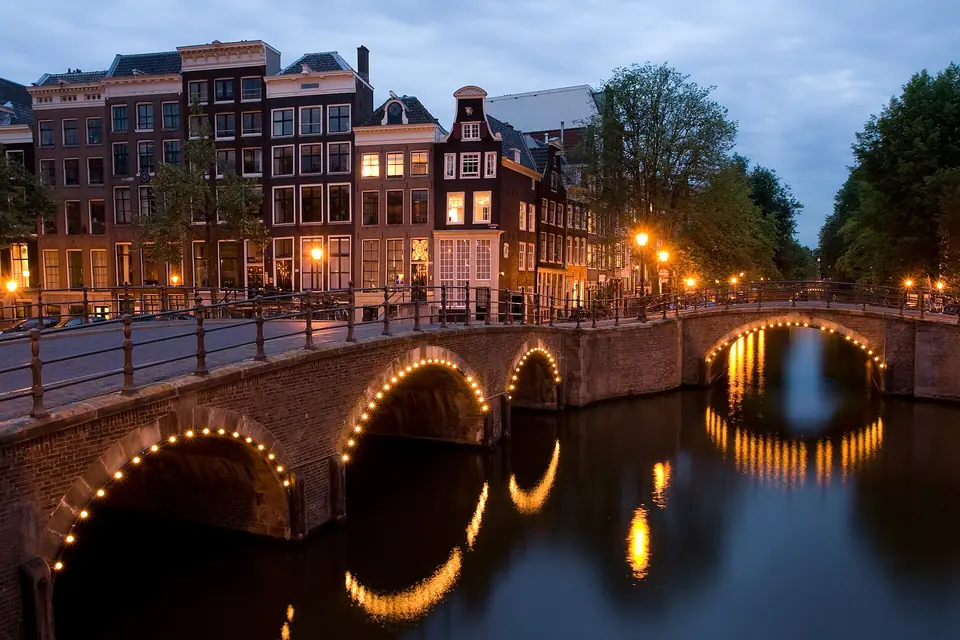
Amsterdam cannot be seen in one go: it has a medieval core around Dam Square, a 17th-century canal ring that UNESCO inscribed in 2010, museums that bring Rembrandt and Van Gogh within a few minutes of each other, and neighbourhoods with a life of their own such as the Jordaan or De Pijp. Distances are short: Dam Square is about 750 m from Centraal station.
This guide sorts what is worth a visit by area and links the Atlas listings with official tickets, guided visits and day trips. Prices are those shown on the official websites on 24 November 2026 and may change; where sources disagree, this is stated and no figure is fixed.
Ready to book
- Royal Palace Amsterdam: ticket with audio tourfrom €13.50 · 1 h Book on Tiqets (opens in a new tab)
- Oude Kerk (Old Church): admission ticketfrom €14.50 Book on Tiqets (opens in a new tab)
- Rembrandt House Museum: admission ticketfrom €23.50 Book on Tiqets (opens in a new tab)
Some links are affiliate links; if you book through one, we may get a commission and you pay nothing extra. What affiliate links are
Dam Square and the Oude Zijde: palace, churches and the oldest building
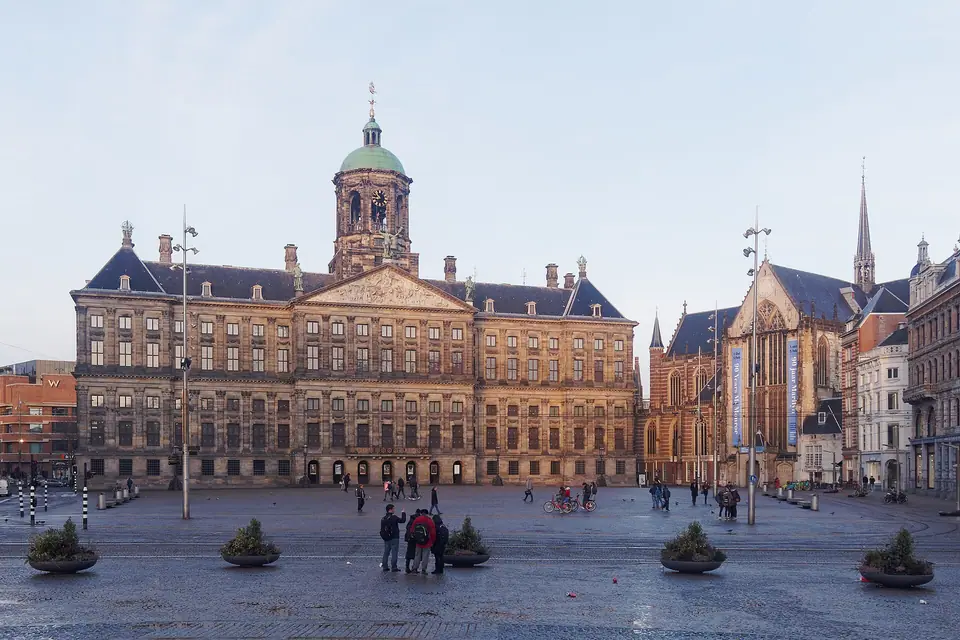
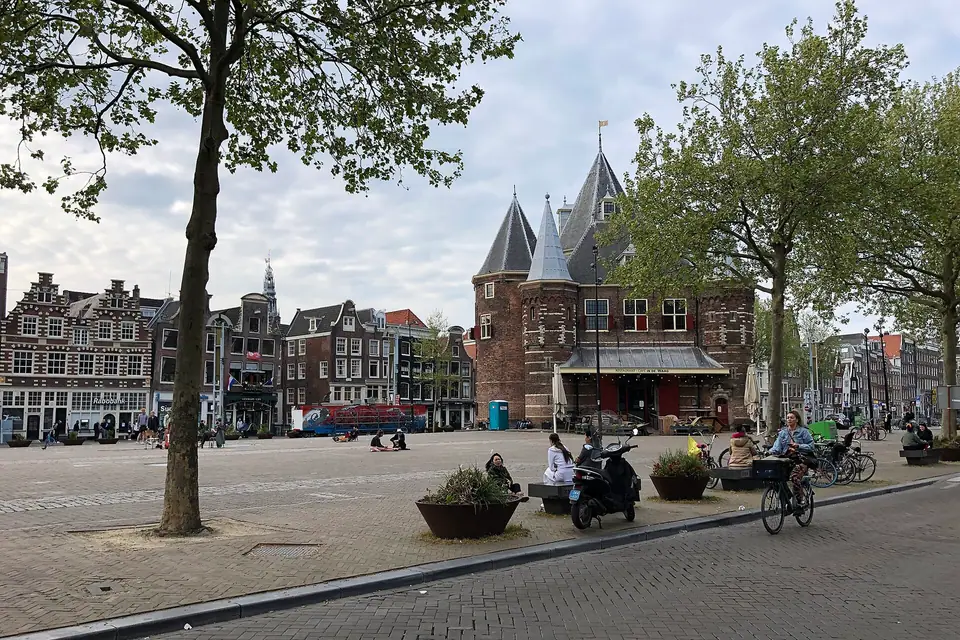
1. Dam Square. It takes its name from a dam on the Amstel first mentioned in a document of 1275. It brings together the Royal Palace, the Nieuwe Kerk and the National Monument of 1956. Go early in the morning if you want to see it without crowds.
2. Royal Palace. It was the city hall from 1655 to 1808. The adult ticket costs 13.50 EUR with an audio guide included, according to the official website (9 EUR for students), and the visit takes around an hour.
3. Nieuwe Kerk and Oude Kerk. The Nieuwe Kerk is now an exhibition hall: entry costs 20 EUR for the current show and the price depends on the exhibition on display. The Oude Kerk was consecrated in 1306 and is the oldest building in the city; it costs 14.50 EUR (22 EUR with the tower).
4. Begijnhof and Bloemenmarkt. The Begijnhof is a courtyard of historic houses a few steps from Spui square, free to enter according to several guides: go in quietly, because people live there. The Bloemenmarkt has had flower and bulb stalls on barges on the Singel since 1862.
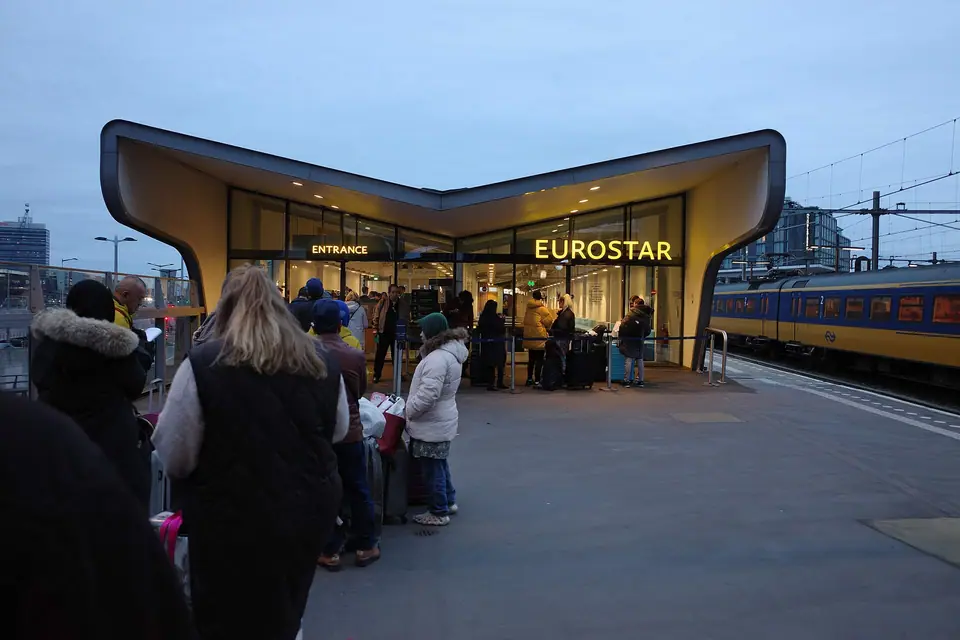
5. To understand the city. If you prefer a guide, there are Spanish-language free tours that start at Centraal station or on the Dam and are paid by tip, and a hidden church-museum, Ons’ Lieve Heer op Solder, costs 18 EUR.
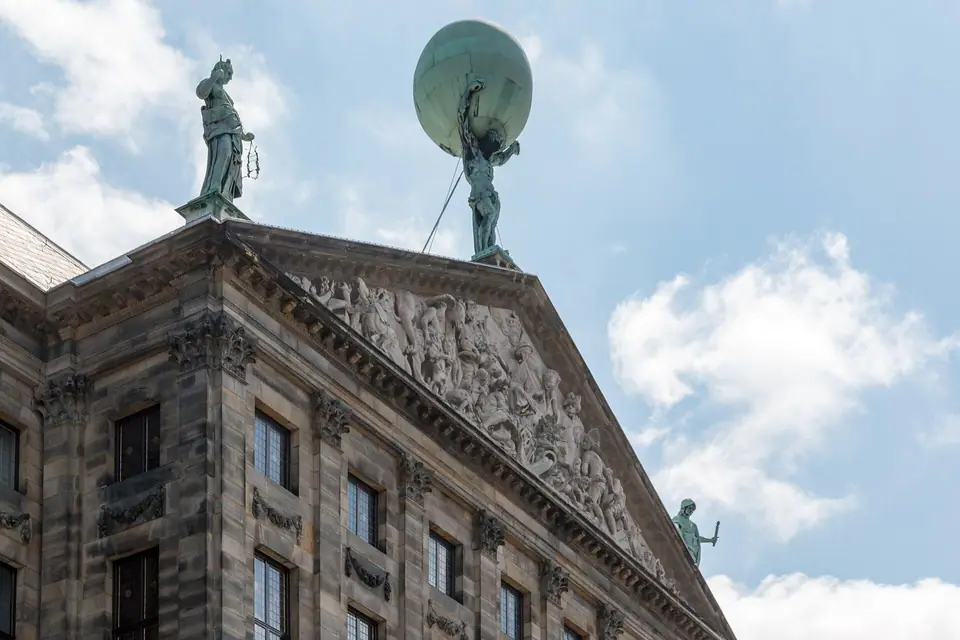
Royal Palace Amsterdam: ticket with audio tour
A 17th-century palace on Dam Square, still used by the Royal House, with an audio tour included.
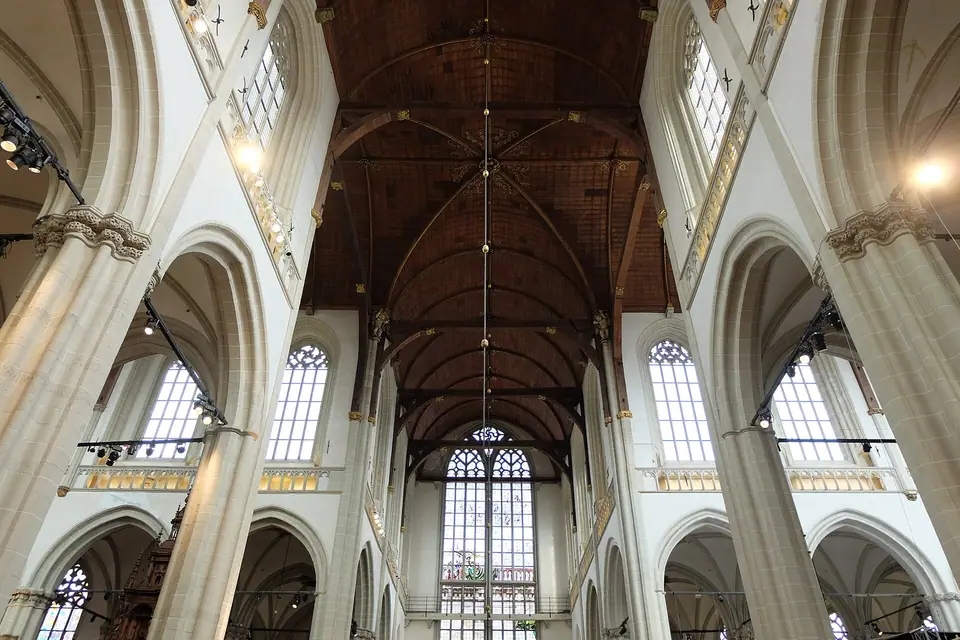
De Nieuwe Kerk: exhibition ticket
Gothic church on Dam Square turned exhibition hall, open every day.
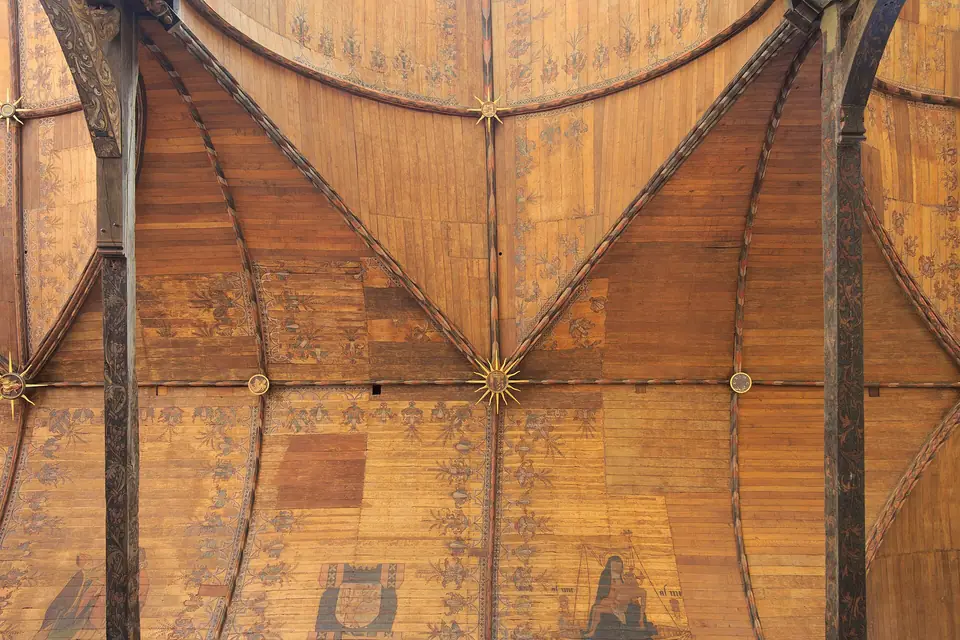
Oude Kerk (Old Church): admission ticket
Amsterdam’s oldest building, now a contemporary art venue, with a tower open in season.
Spanish-language free tour of Amsterdam historic centre (Ohtours)
Spanish-language free tour of 1 h 45 min from Dam Square: Royal Palace, Nieuwe Kerk, canals and Golden Age history.
The canal ring and the Jordaan: Anne Frank, Rembrandt and the Nine Streets
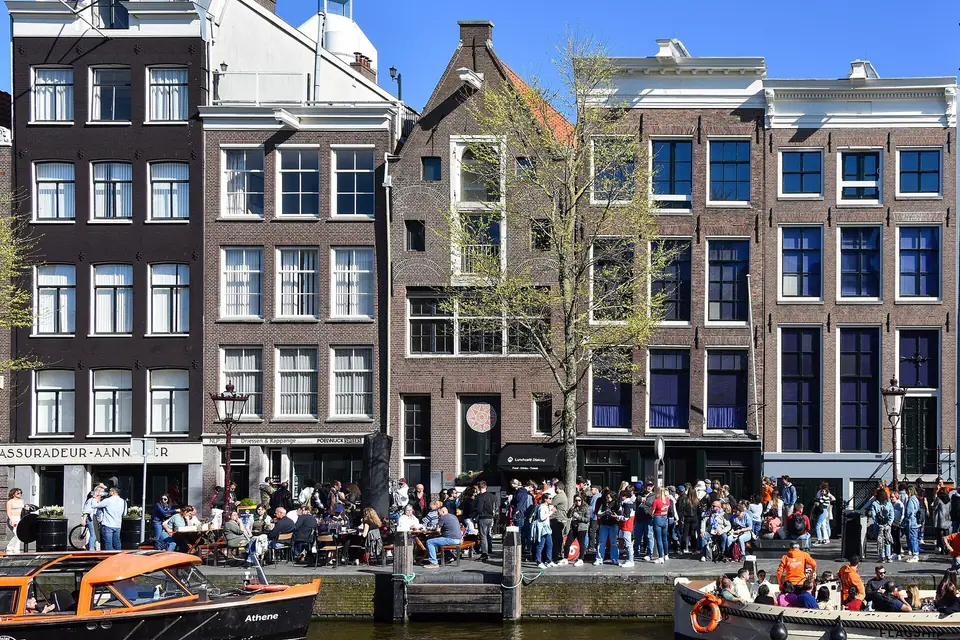
The Grachtengordel is made up of three concentric canals, Herengracht, Keizersgracht and Prinsengracht. Work began in 1613 and UNESCO inscribed it in 2010. The Nine Streets, between the Prinsengracht and the Singel, hold more than 140 monuments and small shops. The canals are best seen on foot along the side streets rather than the main roads.
1. Anne Frank House. Entry is only with an online ticket for a specific date and time: it costs 16.50 EUR including a 1 EUR booking fee, it is not sold at the door and it is recommended from age 10. Tickets go on sale every Tuesday at 10:00 (Central European Time) for visits six weeks later. The museum tickets guide explains how to get one.
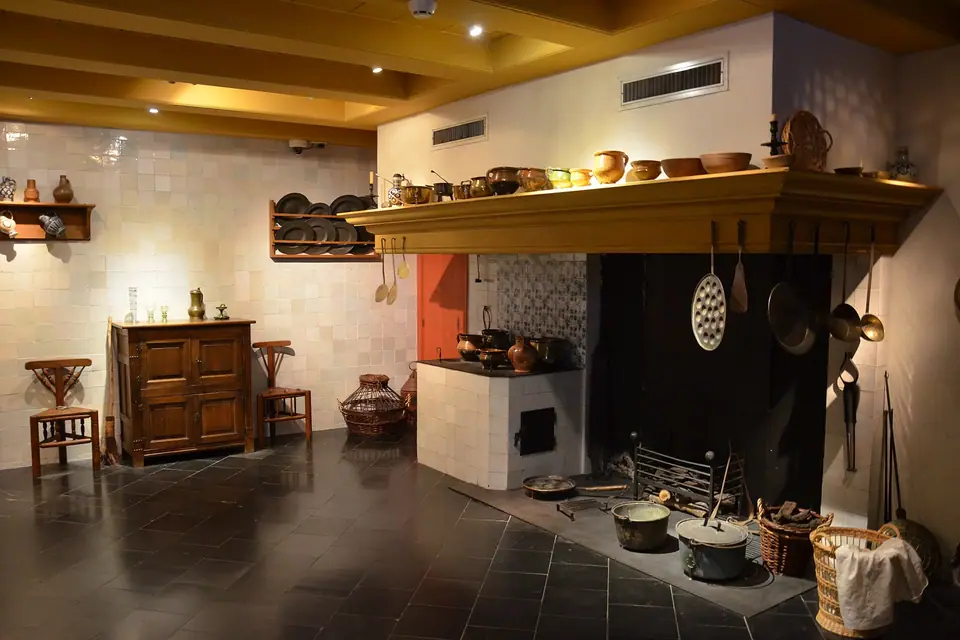
2. Rembrandt House Museum. It costs 23.50 EUR (19.50 EUR from 15:00 to 17:00) and includes a multimedia guide. Rembrandt is buried in the Westerkerk, in the Jordaan, where he spent his last years.
3. Jordaan. Work began in 1612. Almost every street is named after trees and flowers. Its hofjes are inhabited courtyards: enter only if the gate is open. The markets of Noordermarkt, Westerstraat and Lindengracht are the best known.
4. Guided walks. There are walking tours about Anne Frank and the Jewish quarter in Spanish, German and English (from 32.50 EUR, 2 hours) and food tours of the Jordaan (from 109 EUR, 3 hours).
Anne Frank House: official ticket
Visit the canal house where Anne Frank hid; entry only with a dated, timed online ticket.
Rembrandt House Museum: admission ticket
The house where Rembrandt lived and painted, with studio, cabinet of curiosities and multimedia tour included.
Guided Anne Frank walking tour (German, English, Italian, Spanish)
Two-hour walk from the Anne Frank statue through the Westerkerk area, the Jewish Quarter and several memorial sites.
Museumplein: Rijksmuseum, Van Gogh, Stedelijk and the Vondelpark
The Museumplein began to be built around 1885, when the Rijksmuseum was completed. It brings together the Rijksmuseum, the Van Gogh Museum, the Stedelijk Museum and the Concertgebouw, a few minutes on foot from each other. It is best not to try more than two museums in a day.
1. Rijksmuseum. It opens every day of the year from 9:00 to 17:00 and all visitors must book an entry time. Adults pay 25 EUR according to the official website, which announces 26.50 EUR from 2027; under-18s go in free. It is the home of Rembrandt’s Night Watch.
2. Van Gogh Museum. It holds the world’s largest Van Gogh collection. Tickets are bought online only, with date and time, on its official website. The official website shows from 25 EUR for adults; check the final amount when booking. Under-18s go in free.
3. Stedelijk and Moco. The Stedelijk, for modern and contemporary art and design, costs 22.50 EUR and opens 365 days a year. The Moco Museum, with Banksy, Warhol and Kusama, opened in 2016; its prices vary between sources, so check the official website.
4. Vondelpark. It opened in 1865, covers 47 hectares and receives about 10 million visits a year. It is free. In winter the pond on the Museumplein becomes an ice rink, with tickets from 8 EUR.
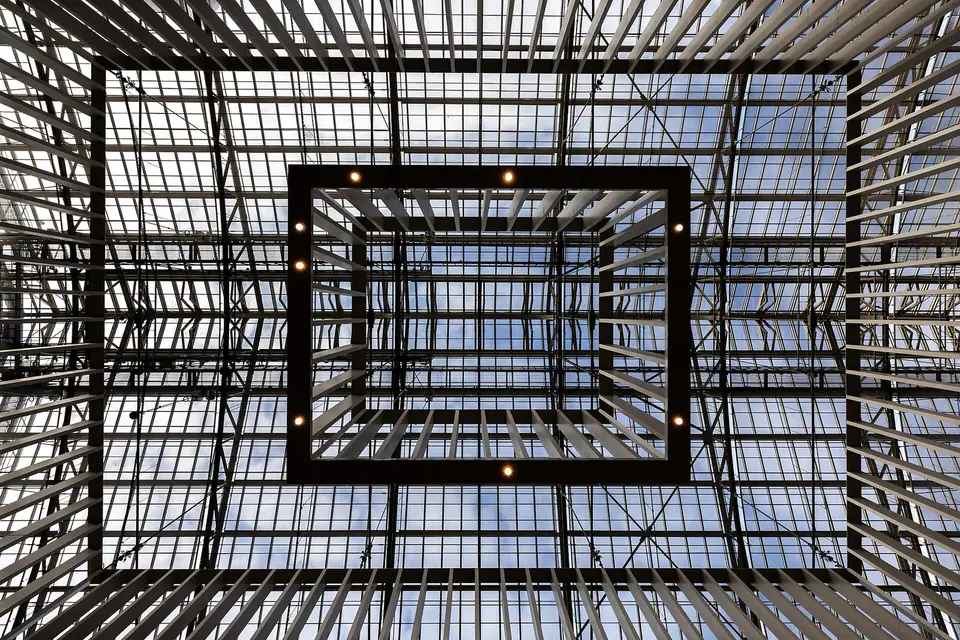
Rijksmuseum: timed entry ticket
Amsterdam’s national museum, home to Rembrandt’s Night Watch, visited with a booked start time.
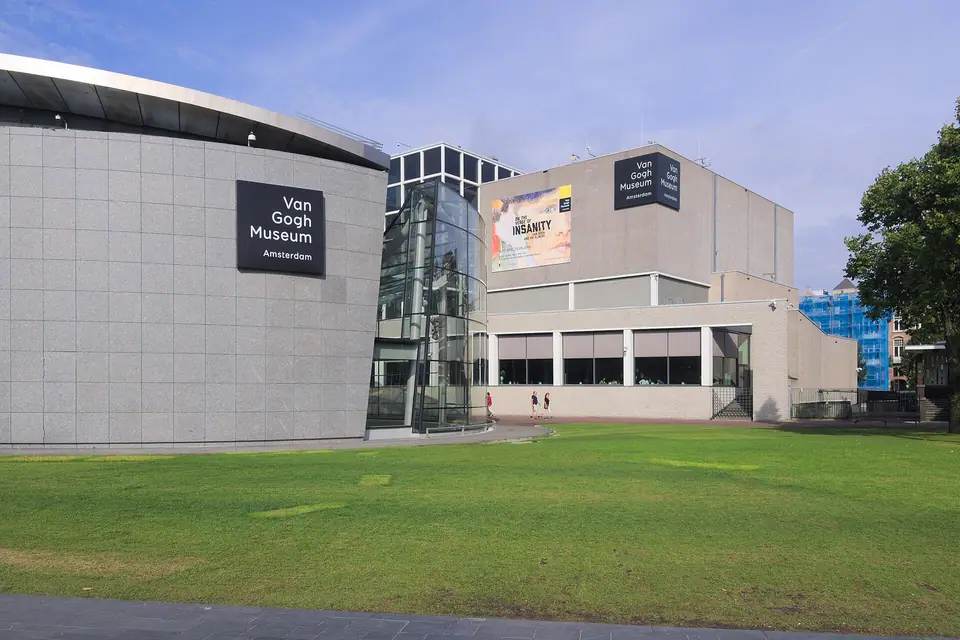
Van Gogh Museum: official ticket
The world’s largest Van Gogh collection; dated, timed tickets only on the museum’s official website.
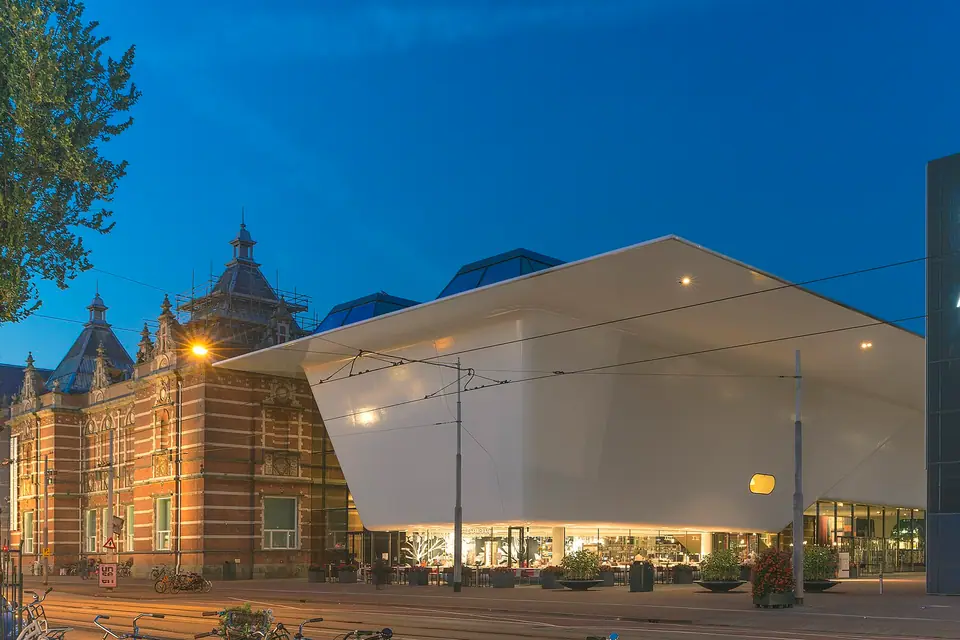
Stedelijk Museum: admission ticket
Museum of modern and contemporary art and design on Museumplein, open 365 days a year.
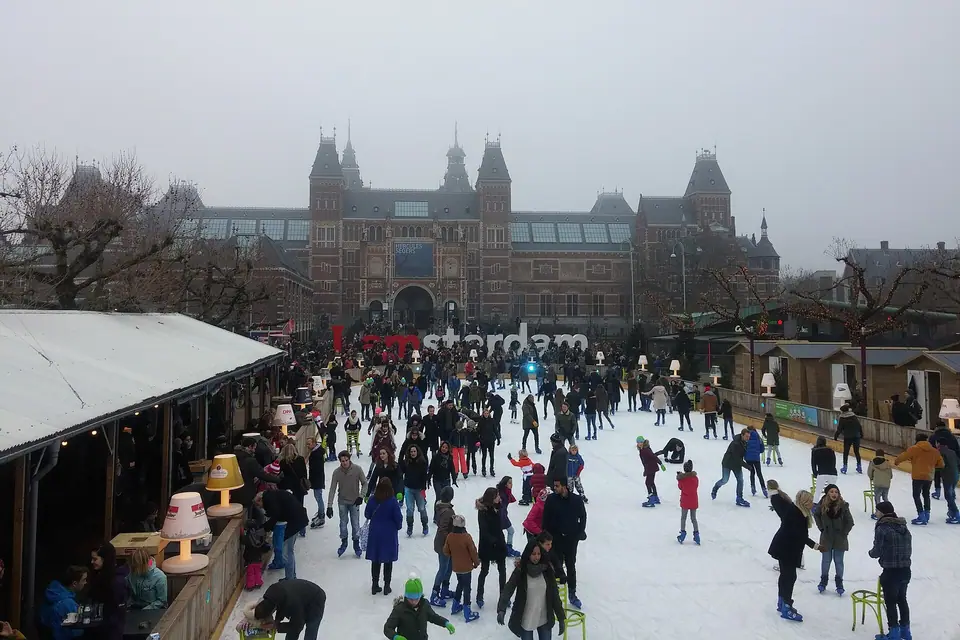
Museumplein ice rink 2026-2027
Seasonal ice rink between the museums, 24 October 2026 to 16 January 2027, with skate rental.
De Pijp and the Plantage: market, beer, zoo and botanical garden
1. De Pijp. It is the liveliest neighbourhood south of the centre, between the Boerenwetering and the Amstel. The Albert Cuyp market is open Monday to Saturday, is free to enter and you pay only for what you buy. De Pijp station on the Noord/Zuidlijn opened in July 2018. A 45-minute stroopwafel workshop costs from 27.50 EUR on the same street.
2. Heineken Experience. An interactive tour of the former brewery, with a tasting, for adults only. The official price does not appear on the pages consulted and sources give different figures (from about 25 EUR), so check the website before going.
3. Plantage. It is a quiet green area of about 38 hectares east of the centre. The Hortus Botanicus has been here since 1682 and Artis opened in 1838: the zoo costs from 29.50 EUR online and includes an aquarium and planetarium. Next to it is Micropia (from 17 EUR). Tram 14 runs along the Plantage Middenlaan.
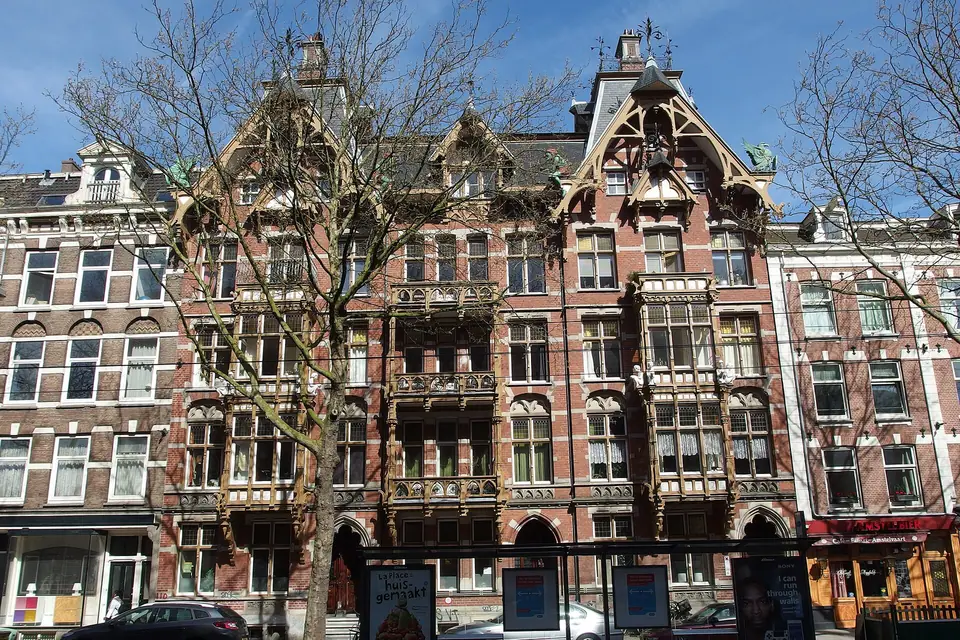
Albert Cuyp Market
Free street market open Monday to Saturday on Albert Cuypstraat in De Pijp, with food, flowers and all kinds of stalls.
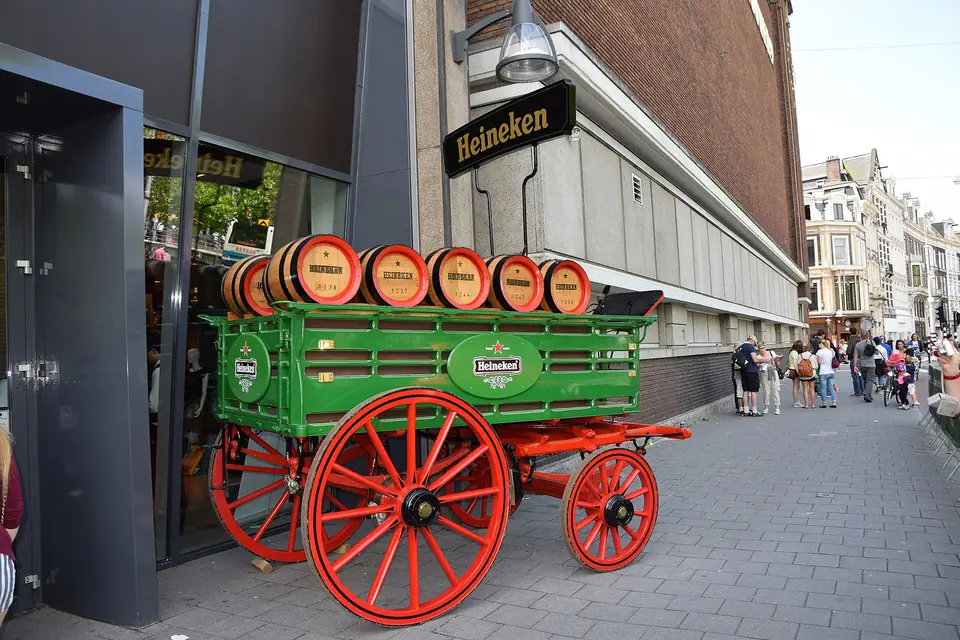
Heineken Experience: entry ticket
Interactive tour of the former Heineken brewery with tastings; adults only.

ARTIS Zoo: admission ticket
Amsterdam’s historic zoo, with aquarium and planetarium included in the ticket.
Noord and the harbour: free ferry, Eye, A’DAM Lookout and NDSM
Noord covers 49.01 km² across the IJ and is linked to the centre by one road bridge, three tunnels and seven GVB ferry lines. The ferries leave from behind Centraal station and are free for pedestrians, cyclists and mopeds; the Buiksloterweg line runs all night.
1. Eye and A’DAM Lookout. The Eye film museum has stood in Overhoeks since April 2012; the exhibition costs 16.50 EUR. The A’DAM Lookout viewpoint, in a tower completed in 1971, costs 16.50 EUR online (18.50 EUR at the ticket office) and the Over the Edge swing is 7.50 EUR extra.
2. NDSM and STRAAT. NDSM began as a shipyard in 1876 and has been regenerated since the 2000s. The street art museum STRAAT costs 21.50 EUR. A boat with unlimited pancakes leaves from here for 22.50 EUR per adult.
3. South shore of the IJ. NEMO, with hands-on experiments, costs 21.50 EUR (free up to age 3) and the Maritime Museum, in the 1656 arsenal, 20 EUR.
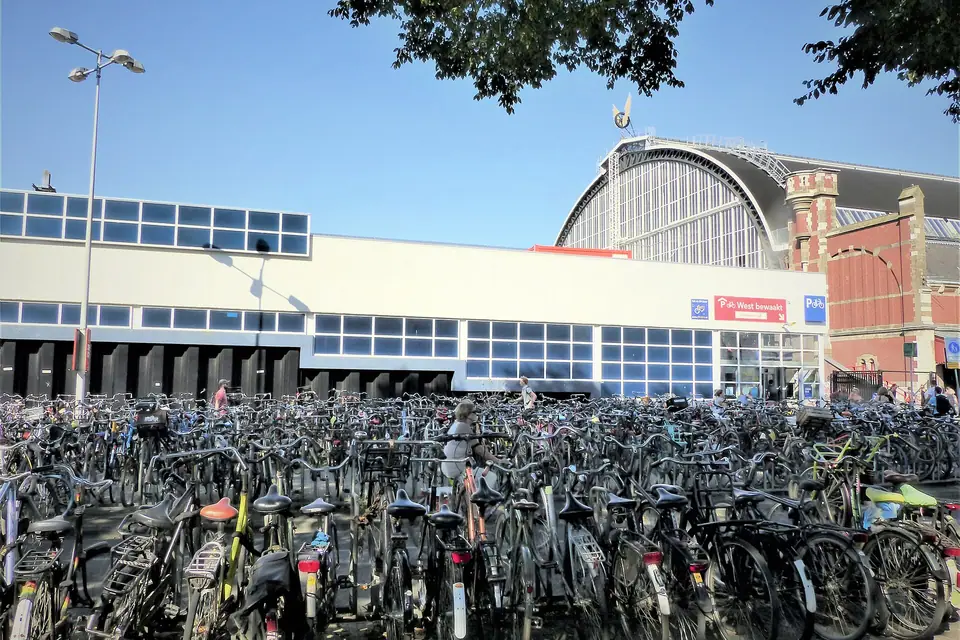
Free IJ ferries (GVB)
Free ferries from behind Central Station to Buiksloterweg, IJplein and NDSM in Amsterdam Noord.
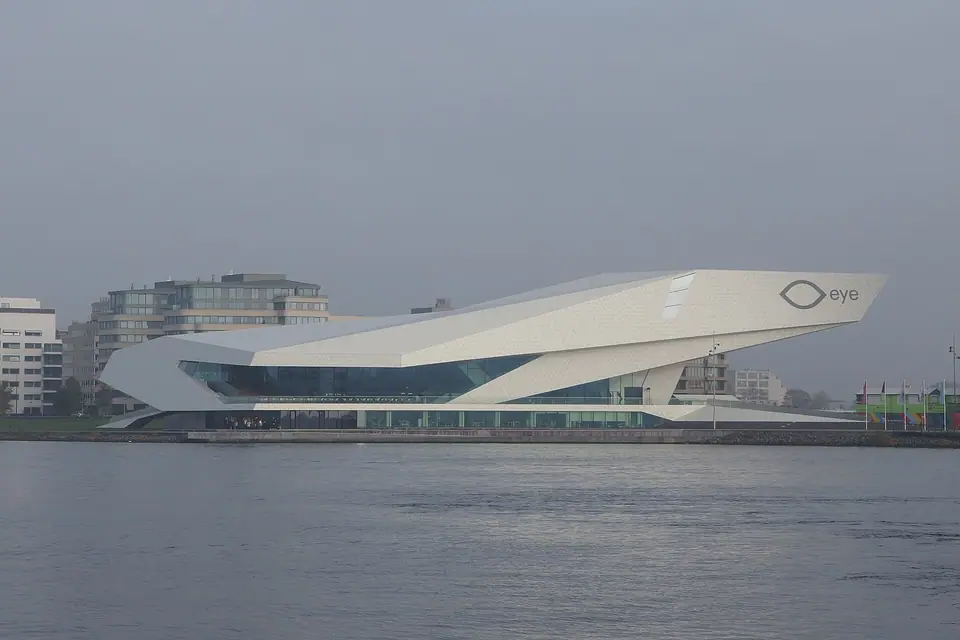
Eye Filmmuseum: exhibition ticket
The Dutch film museum on the north bank of the IJ, with exhibition, cinemas and restaurant.
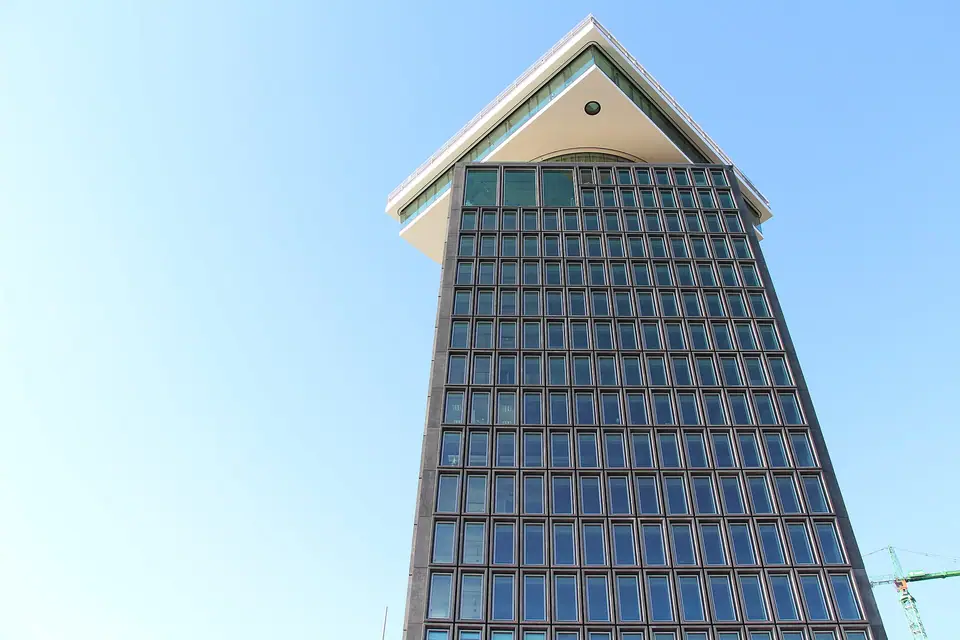
A’DAM Lookout: observation deck and Over the Edge swing
A 360-degree observation deck on the A’DAM Tower, with the Over the Edge swing as an optional extra.
The canals from the water
Seeing the canal ring from a boat is the most direct way to understand the city. The covered classic lasts between 1 and 1.25 hours and leaves from the Damrak or the Stadhouderskade. There are open electric boats, evening cruises, cruises with dinner or cheese, pedal boats (up to 4 people) and electric boats you can rent without a licence from age 18. Price differences and the conditions of each option are compared in the canal cruise guide.
Blue Boat Company city canal cruise (75 min)
A 75-minute cruise on a glass-topped boat through the canals with audio in 21 languages, from the Stadhouderskade.
Stromma open electric boat tour
One hour on the canals in an open electric boat with a live guide, from the Damrak.
Day trips from Amsterdam: windmills, fishing villages and tulips
1. Zaanse Schans. It keeps eight windmills, all built after 1574. It is reached by train in about 18 minutes from Centraal. The village is free to enter; only the museums and mills charge.
2. Volendam and Marken. Two coastal villages to the north: the harbour of Volendam and Marken, which was an island until 1957. There are tours of 4 to 8 hours from 25 EUR.
3. Keukenhof. The 2027 season runs from 18 March to 9 May, daily from 8:00 to 19:00. The online ticket costs from 21 EUR.
4. Haarlem, Utrecht and others. Haarlem is about 20 km away and is reached by train. In Utrecht, the guided climb of the Dom tower (112 m) costs 13.50 EUR. Giethoorn, The Hague and Delft, Rotterdam, Kinderdijk and Bruges each need a full day. The day trips guide compares them all.
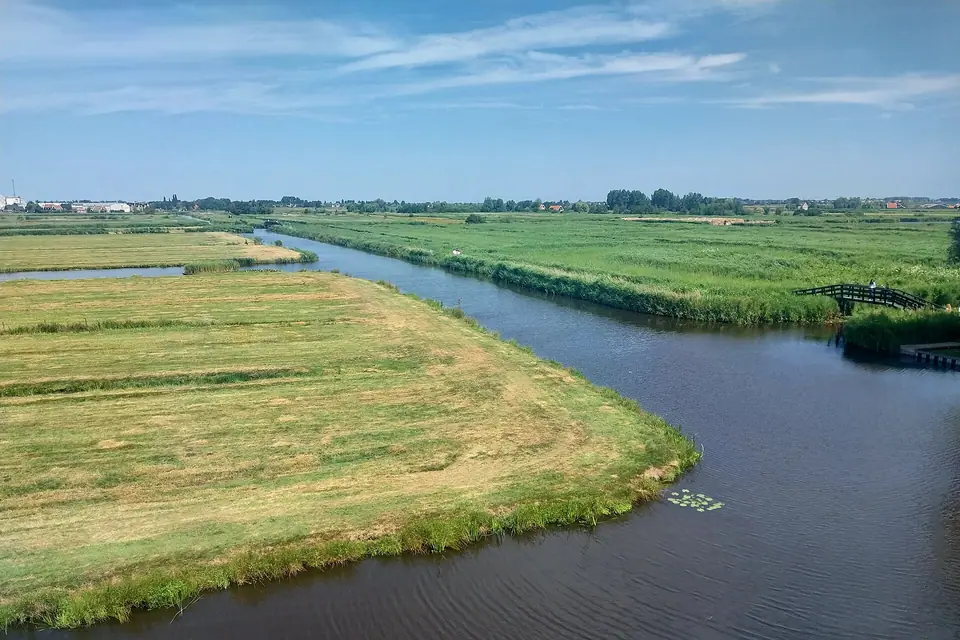
Zaanse Schans on your own: museum and windmill admission with audio guide
The windmill village is free to enter; this ticket opens museums and windmills with a digital audio guide, at your own pace.
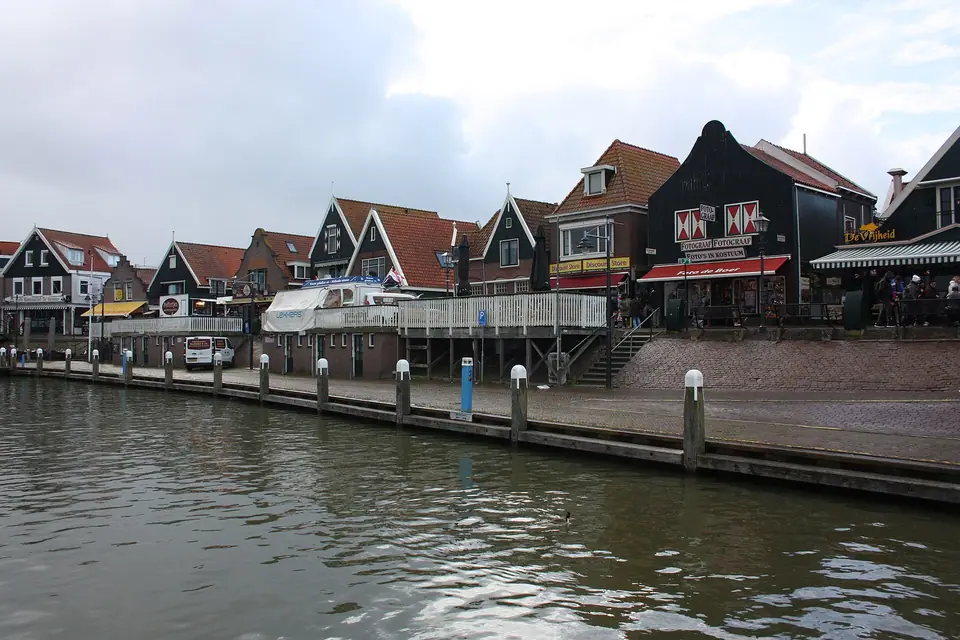
Zaanse Schans, Edam, Volendam and Marken: full-day guided trip
Eight hours with an English and Spanish guide: windmills, cheese, clogs and the fishing villages. Coach for up to 50 people.
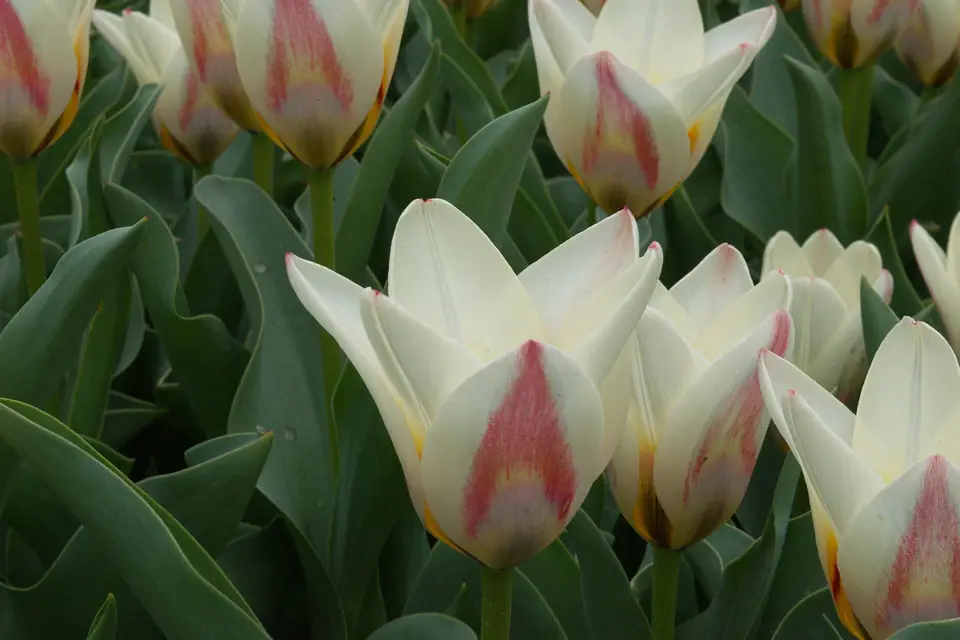
Keukenhof: entry ticket to the tulip gardens
Entry to the big bulb-flower park in Lisse. 2027 season announced: 18 March to 9 May, 8:00 to 19:00.
How to combine it in three days and how to get around
A reasonable three-day plan: the first, Dam Square, the Oude Zijde and the canals with a cruise at the end of the afternoon; the second, the Museumplein (Rijksmuseum or Van Gogh, not both in a hurry) and the Vondelpark or De Pijp; the third, Noord with the free ferry, or a trip to Zaanse Schans and Volendam. With just one day, choose Dam Square, a canal walk and one museum.
To get around, the centre is done on foot or by bike, with guided tours of about 2 hours from around 36 EUR. GVB public transport covers trams, metro and ferries; according to its website, the 1-hour ticket costs 3.40 EUR in 2026 and the day ticket 10 EUR. If you want to bundle tickets and transport, look at the I amsterdam City Card (from 67 EUR for 24 hours): work out first whether the museums you want to see make it worthwhile.
I amsterdam City Card: city pass
Official pass with entry to many museums, public transport and a canal cruise.
Guided bike tour of Amsterdam highlights (MacBike)
Guided bike ride of about 2 hours through the best-known districts and canals of Amsterdam, run by MacBike.
Official sources
Written by us from these sources as consulted up to 24 November 2026. Rules and traffic restrictions change, so check before you travel.
- Anne Frank House: tickets and online sales
- Rijksmuseum: opening hours and prices
- Van Gogh Museum: online tickets with date and time
- I amsterdam: free IJ ferries
- I amsterdam: ice rink at Museumplein
- Amsterdam Light Festival: dates and hours 2026-2027
- GVB: fares
- Keukenhof: plan your visit (2027 season, prices, parking)
Frequently asked questions
How many days do you need to see Amsterdam?
With three days you cover the centre and canals, the Museumplein and a day of neighbourhoods, Noord or a day trip. With just one day, choose Dam Square, a canal walk and one museum with a booked ticket.
What can you see for free in Amsterdam?
The Vondelpark and the Westerpark are free, the Bloemenmarkt and the Albert Cuyp market can be strolled without a ticket, and the IJ ferries cost nothing for pedestrians and cyclists. The Begijnhof is free according to several guides.
What to see in Amsterdam if it rains?
The Museumplein museums, the Royal Palace, the Anne Frank House, the Rembrandt House, NEMO or ARTIS-Micropia are indoor visits, and a glass-roofed cruise also works in the rain. Amsterdam has between 8.6 and 14.1 rainy days a month according to the KNMI.
When is the best time to visit Amsterdam?
It depends on what you want. April is the driest month (39.6 mm) and brings King’s Day and the first tulips; May has the most sunshine (231 h). In winter there are about 8 hours of daylight and an average of 4 °C, but the Amsterdam Light Festival runs (26 November 2026 to 17 January 2027).
Can you visit Amsterdam without a car?
Yes. The centre is covered on foot or by bike, and GVB trams, metro and ferries reach the museums and Noord. Zaanse Schans, Haarlem and Utrecht are reached by train, and Keukenhof, Volendam or Giethoorn have organised tours from Centraal.
Atlas of Amsterdam editorial team · reviewed on 24 November 2026
More guides
- Schiphol to Amsterdam centre: train, bus 397 and taxi
- Amsterdam with kids: what to do by age
- Amsterdam in 3 days: what to do each day and what it costs
- Amsterdam in winter: lights, ice skating and museums
- Amsterdam canal cruise: which boat to choose and the cost
- Anne Frank House tickets and Van Gogh tickets: where to buy
- Day trips from Amsterdam: from Zaanse Schans to Bruges
- Keukenhof 2027: tickets, season and how to get there
- Zaanse Schans, Volendam and Marken from Amsterdam
- Rainy-day things to do in Amsterdam
- Free or budget things to do in Amsterdam
- Easy, low-effort things to do in Amsterdam